
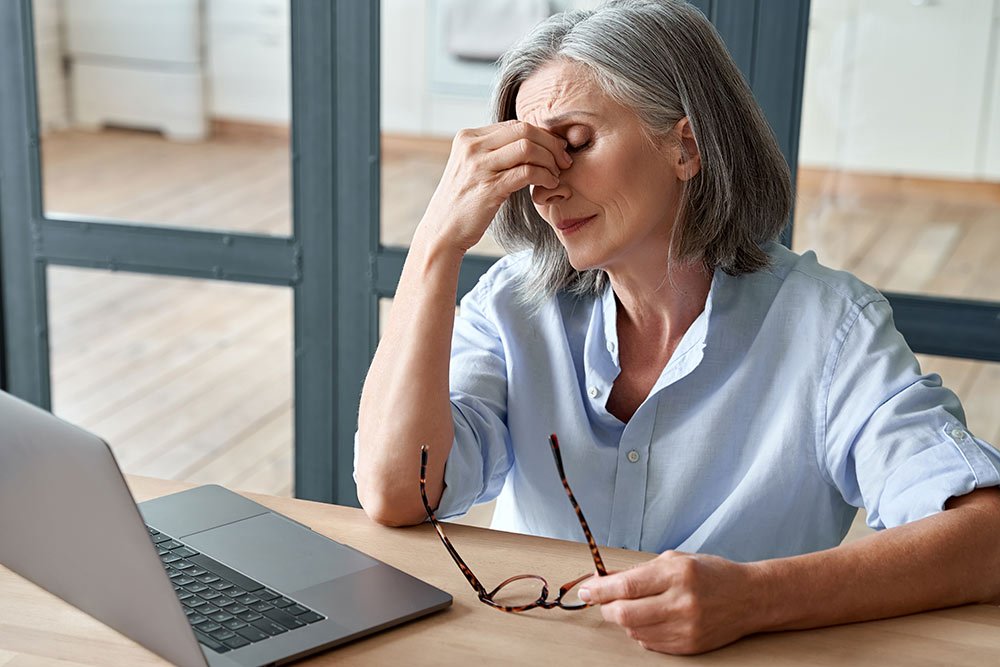
Perimenopause and menopause can affect many aspects of a woman’s physical and emotional health, including sleep, mood, concentration, energy levels, weight, bone health, sexual wellbeing and quality of life. Having time to discuss your symptoms and concerns in detail can help you understand the changes you are experiencing and explore the treatment options available.
Dr Raquel Delgado provides personalised menopause care, taking into account your symptoms, medical and family history, lifestyle and individual preferences. Treatment plans may include lifestyle and nutritional advice, HRT, vaginal oestrogen and testosterone therapy when clinically appropriate, together with ongoing review and monitoring.
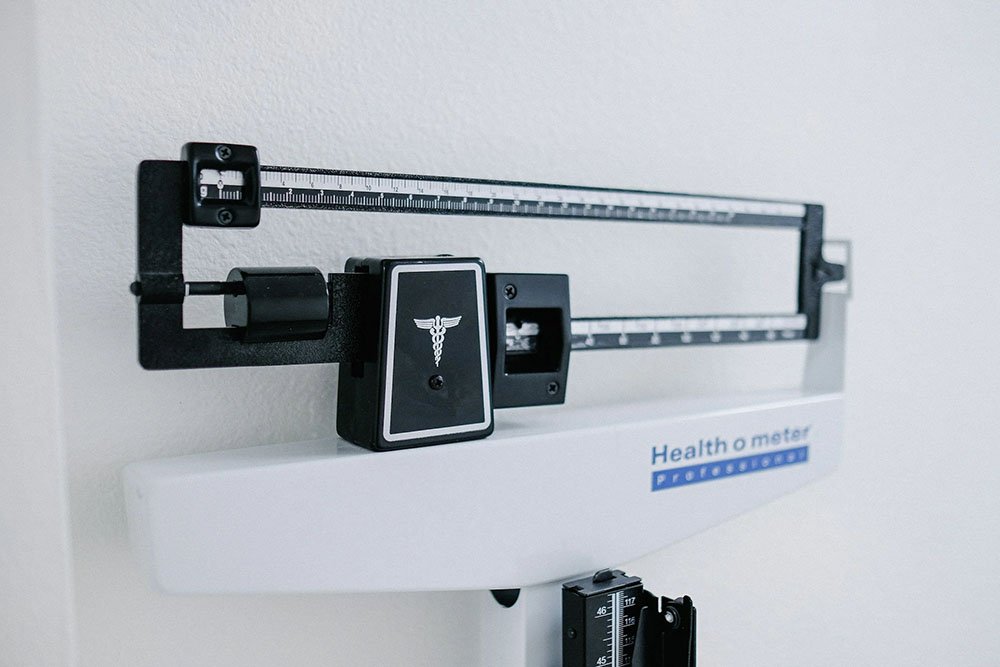
Women’s weight can be affected by many factors, including hormonal changes, metabolism, ageing, sleep, stress and psychological wellbeing. During perimenopause and menopause, changes in hormones and body composition can make maintaining a healthy weight more challenging.
Effective weight management requires a personalised and holistic approach. Dr Raquel Delgado considers nutrition, physical activity, resistance exercise, sleep, lifestyle, emotional wellbeing and medical or hormonal factors that may be contributing to weight gain or making weight loss more difficult. Learn more about nutrition and different approaches to healthy weight management during perimenopause and menopause.
Dr Delgado has additional training in medical weight management and offers personalised weight loss plans tailored to your health, lifestyle and individual goals. Where clinically appropriate, medical weight loss treatments may also be considered as part of a structured and medically supervised programme.– Weight Management
Perimenopause can cause a wide range of symptoms, including changes in menstrual cycles, hot flushes, night sweats, poor sleep, anxiety, low mood, brain fog, fatigue, reduced libido and changes in weight or body composition.
Symptoms vary considerably between women and may overlap with other medical conditions, including thyroid problems, iron deficiency and vitamin deficiencies. A women’s health consultation provides time to review your symptoms, menstrual history, medical history and individual risk factors. Blood tests may be recommended when clinically appropriate, although hormone blood tests are not always necessary to diagnose perimenopause.
Yes. Hormone replacement therapy (HRT) may help a range of symptoms associated with perimenopause and menopause, including night sweats, sleep disturbance, mood changes, anxiety, brain fog, joint discomfort and vaginal or urinary symptoms.
HRT is not a single treatment suitable for every woman. The type, dose and method of administration should be personalised according to symptoms, medical history, whether you still have a uterus, and your individual benefits and risks. Treatment should be reviewed and adjusted according to your response.
Yes. The decline in oestrogen around and after menopause can accelerate bone loss and increase the risk of osteopenia and osteoporosis. Many women have no symptoms of low bone density until a fracture occurs.
A personalised assessment may consider your age, menopause history, family history, previous fractures, body weight, smoking, alcohol intake, medications and other medical risk factors. When appropriate, investigations may include blood tests and a DEXA scan to measure bone density. Prevention and treatment can include resistance and weight-bearing exercise, adequate protein and calcium intake, vitamin D, reducing lifestyle risk factors and, for suitable women, consideration of HRT or other osteoporosis treatments.
Changes in body composition during midlife can be influenced by several factors, including hormonal changes, ageing, loss of muscle mass, sleep disturbance, stress, reduced physical activity, overeating and changes in insulin sensitivity. This means that simply eating less is not always the most effective long-term approach.
Medical weight management should look beyond the number on the scales. A personalised assessment can review nutrition, protein intake, physical activity, resistance training, sleep, metabolic health and relevant medical or hormonal factors. Where clinically appropriate, medical weight-loss treatments may also be discussed as part of a structured and monitored plan.
Falling oestrogen levels during perimenopause and menopause can contribute to changes in skin hydration, elasticity, collagen and thickness. Women may notice increased dryness, fine lines, loss of firmness or slower skin recovery.
The most appropriate approach depends on your skin, concerns and treatment goals. A personalised plan may combine daily skincare and sun protection with treatments designed to support skin quality and collagen stimulation. Depending on individual needs, options may include microneedling, PRP skin rejuvenation and polynucleotide treatments.
Yes. I can prescribe regulated, licensed bioidentical hormone replacement therapy (HRT) when clinically appropriate. These treatments include body-identical oestrogen, usually prescribed through the skin as a gel, patch or spray, and micronised progesterone for women who require endometrial protection.
Body-identical hormones have the same molecular structure as the hormones naturally produced by the body. Treatment is personalised according to your symptoms, medical history, stage of menopause, individual risk factors and response to treatment.
I prescribe licensed and regulated HRT preparations rather than unregulated compounded bioidentical hormone products. Your treatment can be reviewed and adjusted over time to find the most appropriate dose and combination for your individual needs.
Yes. I can prescribe testosterone replacement therapy for women . Testosterone may be considered for menopausal women experiencing persistent low sexual desire, persistent bran fog and tiredness, painful joints and muscles or reduced libido, particularly when other contributing factors have been assessed and appropriate menopause treatment has been optimised.
Before starting treatment, Dr Delgado will review your symptoms and medical history and arrange relevant blood tests. Treatment uses a dose appropriate for women and requires regular clinical review and blood test monitoring to assess response, testosterone levels and possible side effects.
Webdesign by EyeMedia Creative




