



Last Updated: September 28th, 2026
Reading Time: 11 mins
Not directly, in most cases. Bacterial vaginosis on its own doesn’t typically cause bleeding, but it can lead to it indirectly, through an associated inflammation of the cervix called cervicitis, or by raising your risk of pelvic inflammatory disease, both of which can cause bleeding or spotting. If you’ve noticed unusual bleeding alongside a change in your discharge, that combination is worth a proper look rather than assuming it’s unrelated.
This guide explains what bacterial vaginosis actually does and doesn’t cause, how to recognise it, and what helps, including the honest picture on over-the-counter options.
Can bacterial vaginosis cause bleeding directly, the way an infection might irritate tissue enough to bleed on its own? Not typically. Bacterial vaginosis is an imbalance between protective bacteria (lactobacilli) and other bacteria naturally present in your vagina, and it doesn’t usually irritate tissue in a way that causes bleeding by itself. Where bleeding does show up alongside bacterial vaginosis, it’s more often explained by a related condition. Cervicitis, inflammation of the cervix, can happen alongside bacterial vaginosis and does cause bleeding, particularly after sex. Bacterial vaginosis is also a recognised risk factor for pelvic inflammatory disease, an infection of the upper reproductive organs that can cause bleeding along with pelvic pain. Neither of these is the same thing as bacterial vaginosis itself, but the connection between them is real, which is why bleeding shouldn’t automatically be brushed off as “just BV.”
Is BV common? Yes, bacterial vaginosis is the most common vaginal condition in women aged 15 to 44. It happens when the balance between lactobacilli, the “good” bacteria that keep your vaginal environment slightly acidic, and other anaerobic bacteria shifts, allowing those other bacteria to grow more than they normally would. This shift can make the vaginal environment less acidic than usual, which is part of why the odour and discharge changes happen. The exact trigger isn’t fully understood, so it isn’t always something you did or could have avoided, though it’s more common in people who are sexually active. There’s no fixed, well-defined answer for how long before BV shows up after whatever triggered it, since the cause itself isn’t fully mapped out, symptoms can appear gradually or seem to arrive out of nowhere. Other recognised risk factors include a new sexual partner, having multiple partners, and smoking, though plenty of women develop BV without any of these being obviously present, which is part of why it’s so often missed or misattributed to something else entirely. The NHS has more detail on the underlying causes if you’d like to read further.
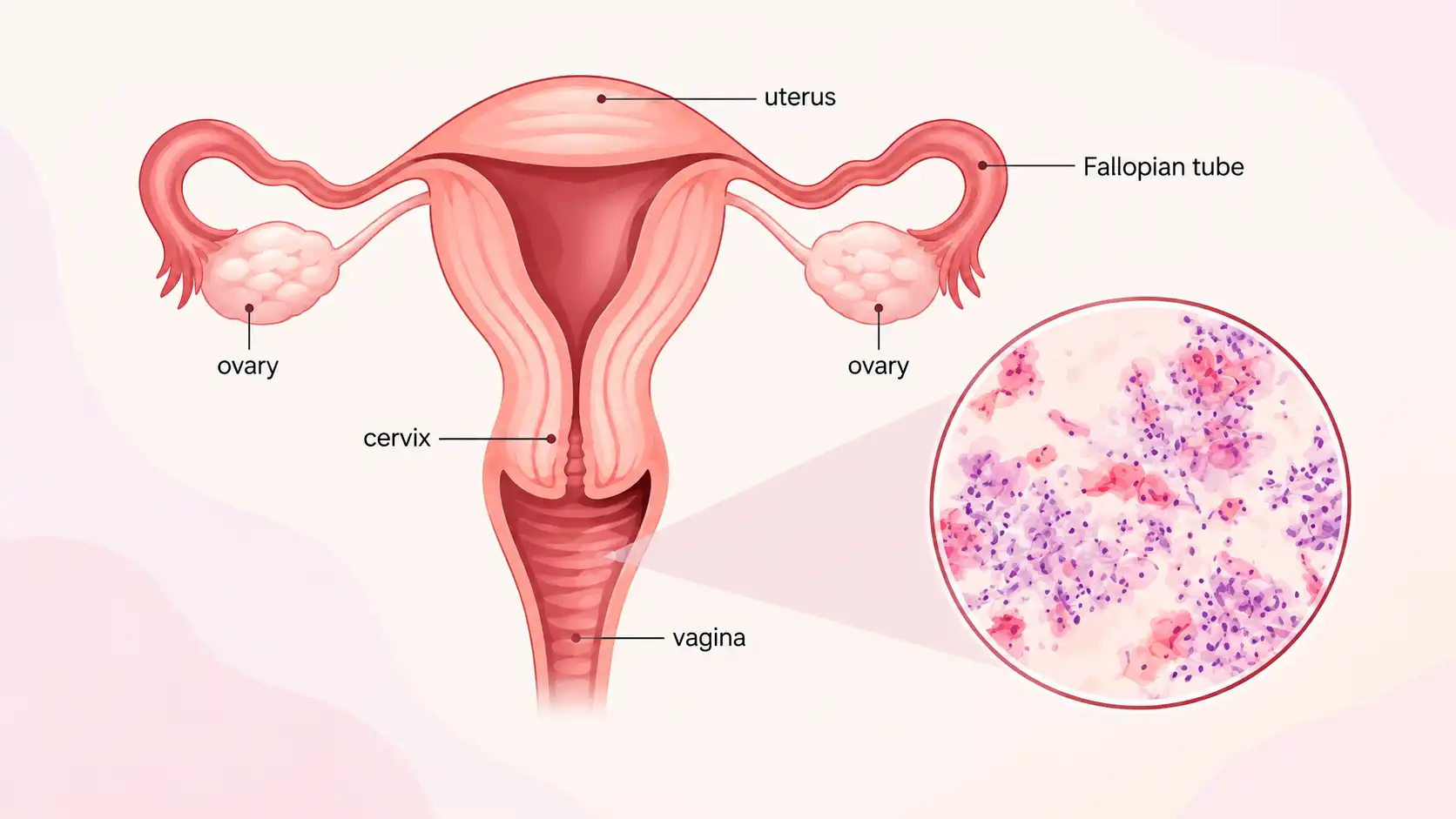
Bacterial vaginosis signs are easy to miss, since around half of women with BV have no symptoms at all. When symptoms are present, the most common one is a change in vaginal discharge, along with a distinctive odour that many women describe as unmistakable once they notice it.
Not every woman experiences all of these together, and the combination can vary from one episode to the next, which is part of why relying on symptoms alone to self-diagnose is so unreliable. A swab test, taken during a routine examination, is the most reliable way to confirm what’s causing your symptoms rather than guessing between BV, thrush, and other possibilities.
What does bacterial vaginosis look like in practice? Usually a watery, off-white or grey discharge rather than anything thick or clumped. Some women notice the discharge take on a slightly brown tinge, particularly toward the end of a period, when old blood mixes with vaginal secretions. This isn’t a sign of anything more serious on its own, but a new or persistent colour change alongside a fishy smell is one to mention to us rather than manage alone.
Bacterial vaginosis after period can be more noticeable than at other points in your cycle, partly because the vaginal environment shifts naturally around your period, and partly because leftover menstrual blood can make discharge changes more obvious. If you’re consistently noticing symptoms clustering just after your period ends, that pattern is useful information to bring with you when you get checked, rather than something to self-diagnose from. Menstrual blood itself is more alkaline than your usual vaginal environment, which is thought to be part of why the post-period window can be a vulnerable time for the bacterial balance to tip.
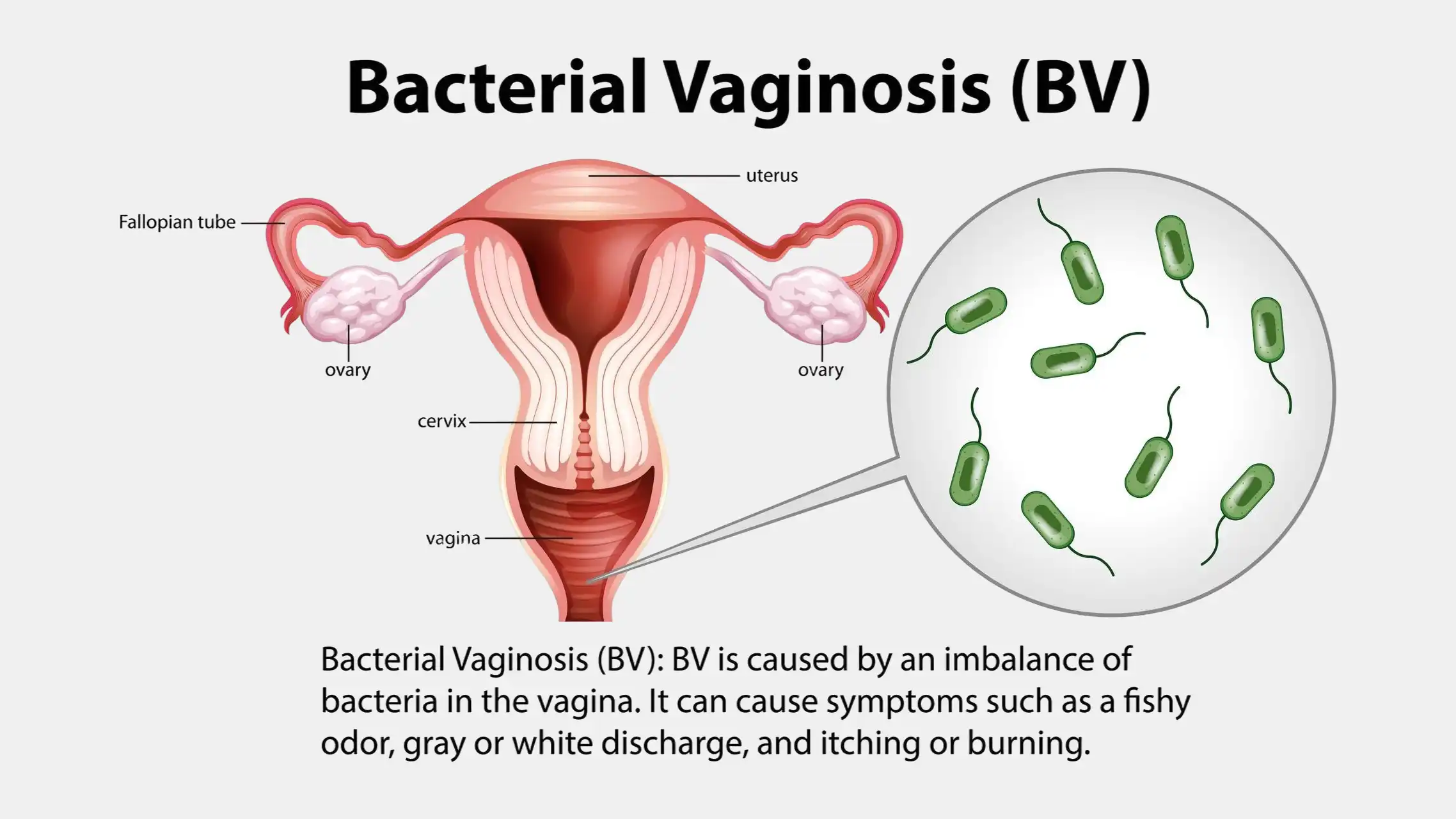
Can bacterial vaginosis cause pain? Not usually, bacterial vaginosis on its own tends to cause discharge and odour rather than pain. Pain is more often a sign that something else is going on, cervicitis or pelvic inflammatory disease again being the most likely explanations, alongside more common causes like a urinary tract infection or a yeast infection. If pain is a real part of what you’re experiencing, that’s a reason to get assessed properly rather than assumed to be a straightforward BV symptom. It’s a useful red flag precisely because it’s atypical, pain pushes the likely explanation away from a simple bacterial imbalance and toward something that benefits from being caught earlier rather than later.
When BV-related bleeding shows up, it’s really the associated conditions, not BV itself, doing the damage. Cervicitis is inflammation of the cervix, often triggered by an infection, and it commonly causes bleeding after sex or between periods, alongside a change in discharge. Pelvic inflammatory disease is a more serious infection affecting the womb, fallopian tubes, or ovaries, and bacterial vaginosis is a known risk factor for it developing, since the same disrupted bacterial balance can make it easier for other organisms to travel further into the reproductive tract. Signs that point more toward pelvic inflammatory disease than a straightforward case of BV include lower abdominal or pelvic pain, pain or a fever that builds over a few days, and pain during sex that’s new rather than longstanding. Bleeding alongside pelvic pain, fever, or pain during sex is a combination that needs prompt attention with us, not a wait-and-see approach.
Bacterial vaginosis vs yeast infection is one of the most common mix-ups in vaginal health, since both cause a change in discharge, but the two are genuinely different conditions with different causes and treatments:
| Bacterial Vaginosis | Yeast Infection | |
| Discharge | Thin, white or grey | Thick, white, “cottage cheese” texture |
| Smell | Fishy, especially after sex | Usually little to no smell |
| Itching | Uncommon | Common, often significant |
| Cause | Bacterial imbalance | Overgrowth of yeast (Candida) |
| Treatment | Prescription-only antibiotic treatment | Antifungal treatment |
Telling the two apart from symptoms alone isn’t always reliable, which is exactly why a proper assessment, rather than guessing from a symptom checklist, gets you the right treatment faster. Using an antifungal product for what’s actually BV, or the reverse, won’t clear the problem, and can leave symptoms dragging on for weeks longer than they need to.
Will bacterial vaginosis go away on its own? Sometimes, mild cases can resolve without treatment as your natural bacterial balance corrects itself. But recurrence is common, research suggests 50 to 80% of women experience BV again within a year, and BV can raise your risk of complications, especially in pregnancy or before a gynaecological procedure, so waiting it out isn’t the safest default for everyone. Getting it properly assessed and treated, where needed, gives you a clearer picture than hoping it clears up on its own, and it also rules out an alternative explanation if the symptoms you’re attributing to BV turn out to be something else.
Bacterial vaginosis smell typically improves within a few days of starting appropriate treatment, as the bacterial balance shifts back toward normal. If the smell persists well beyond that, or comes back quickly afterward, that’s a good reason to check in with us rather than repeating the same treatment on your own, since it can mean the original diagnosis needs revisiting rather than simply needing a longer course of the same thing.
Are there different types of BV, medically speaking? Not really, there aren’t distinct clinical subtypes. The more clinically meaningful distinction is between a first episode, one occurrence in the past 12 months, and recurrent BV, commonly defined as three or more episodes within a year. Recurrent BV is genuinely common, and it often needs a different management approach than a single, first-time episode, since simply repeating the same short course of treatment doesn’t always address what’s driving the pattern back.
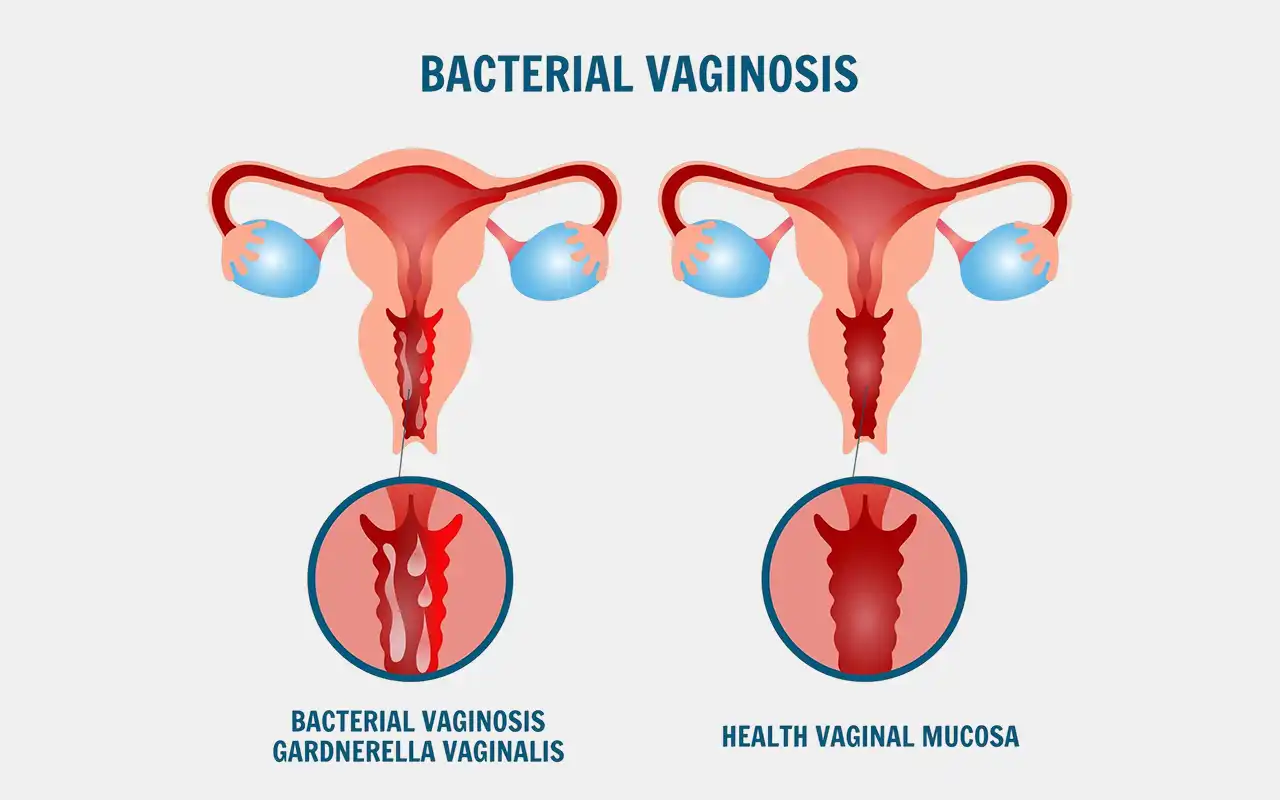
Bacterial vaginosis after sex is a pattern many women notice, since semen can temporarily raise your vaginal pH, disrupting the very balance that keeps protective bacteria dominant. This doesn’t mean BV is a sexually transmitted infection, it isn’t, but sexual activity is a recognised factor that can make an existing imbalance more likely to become symptomatic. A new partner, or a change in how often you’re sexually active, can be enough to tip an otherwise stable balance, which is part of why BV can seem to appear out of nowhere at certain points in a relationship.
Bacterial vaginosis in pregnancy deserves closer attention than it would outside pregnancy. Research shows BV more than doubles the risk of preterm delivery (odds ratio 2.19), and that risk climbs considerably higher when BV is identified earlier in pregnancy, up to seven times higher when found before 16 weeks of gestation. The likely explanation is that the disrupted bacterial balance makes ascending infection into the womb more possible, which can trigger preterm labour or early rupture of the membranes. Routine screening for BV isn’t standard practice in every low-risk pregnancy, so it’s not something that automatically gets picked up unless you’re having symptoms or have a history that puts you at higher risk. This is exactly why getting tested and treated promptly matters here, rather than waiting to see if symptoms settle on their own. If you’re pregnant and notice a change in discharge, smell, or any bleeding, that’s a conversation to have with us as early as possible, ideally before or very early in pregnancy if you already know you’re prone to BV.
Bacterial vaginosis OTC treatment options exist, but it’s fairer to be upfront: there’s no over-the-counter product that reliably cures BV the way a proper diagnosis and treatment does. Lactic acid vaginal gels are available over the counter and can help mildly with symptoms, but in one randomised trial comparing the two head to head, they resolved symptoms in only 47% of cases within two weeks, compared with 70% for prescription-only antibiotic treatment, and recurrence was common either way, around 70% within the following months regardless of which approach was used. That’s a single trial rather than a broad consensus figure, but it’s a useful, honest benchmark for what OTC gels can realistically be expected to do. Newer antimicrobial vaginal gels, also available over the counter in the UK, have shown somewhat better results in trials than plain lactic acid, but still don’t match a confirmed diagnosis and appropriate prescription treatment for reliably clearing an active episode. OTC options are reasonable for very mild, occasional symptoms, but if things aren’t improving within a few days, or you’re not sure what you’re actually dealing with, that’s when getting seen properly makes the real difference. Self-treating repeatedly without a confirmed diagnosis also risks masking a different underlying cause, a yeast infection, an STI, or cervicitis, none of which respond to the same approach as BV.
Bacterial vaginosis how to treat starts with confirming that’s what’s going on, since BV, thrush, and other causes of discharge can look similar without a proper assessment. Once confirmed, a short course of prescription-only antibiotic treatment is the standard, effective approach, and for recurrent cases, a longer or repeated course, sometimes alongside other measures, may be recommended to help break the cycle.
Bacterial vaginosis prevention isn’t guaranteed, since the underlying cause isn’t fully understood, but a few habits genuinely reduce your risk:
None of these guarantee you’ll never develop BV, but together they reduce the chances of disrupting your natural bacterial balance in the first place. If you notice a pattern, for instance, symptoms flaring after a specific product or activity, that’s useful detail to bring to your next appointment, since it can point toward a specific trigger worth avoiding going forward.

Dr Raquel Delgado is a private GP in London with more than 20 years of clinical experience in general practice, women’s health, and hormonal care. She has a particular focus on doctor-led, natural-looking aesthetic treatments for women, and consults in both English and Spanish. Every consultation is with Dr Delgado personally, giving you the same clinician’s judgement and continuity of care each time.
If you’re dealing with unusual discharge, odour, or any bleeding you can’t explain, that calls for a proper assessment rather than guesswork. In Dr Raquel Delgado‘s experience, getting a clear diagnosis early avoids weeks of trial and error with the wrong treatment, and it matters even more if you’re pregnant, have recurrent symptoms, or have already tried an over-the-counter option without lasting improvement. You can read more about our approach on our Women’s Health page, our GP services more broadly, or on our homepage for a wider view of the practice. Wellness Library and Resources sections also have further reading if you’d like to explore women’s health topics in your own time. To arrange a consultation, contact us directly or reach out using the details below:
A few signs call for prompt attention rather than waiting:
If any of these apply to you, that needs proper assessment with us rather than being left to settle on its own.
No, bacterial vaginosis isn’t classed as a sexually transmitted infection, though sexual activity is one of several factors that can disrupt your natural bacterial balance and make BV more likely.
Not typically on its own, spotting between periods alongside BV symptoms is more often explained by an associated condition like cervicitis, which is worth getting checked rather than assumed to be BV itself.
Bacterial vaginosis usually causes a thin, grey discharge with a fishy smell and little itching, while a yeast infection typically causes a thick, white discharge with significant itching and minimal odour. The two need different treatments, so an accurate diagnosis matters.
Recurrent BV, generally three or more episodes within a year, is common and usually manageable, but it’s a reasonable thing to discuss with us, since repeating the same short treatment isn’t always the most effective approach for a recurring pattern. A longer treatment course, or looking at contributing factors like a new partner or a specific product, is often part of getting a recurring pattern properly under control.
Webdesign by EyeMedia Creative