


Last Updated: August 18th, 2026
Reading Time: 7 mins
A polynucleotide skin booster works differently to almost anything else in aesthetic medicine. Instead of filling lines or adding volume, it encourages your own skin to repair and regenerate itself, which is why the results tend to look gradual and natural rather than sudden. If you’ve noticed dullness, dehydration, or fine lines that seem to be settling in for good, this is worth understanding properly before you decide whether it’s right for you.
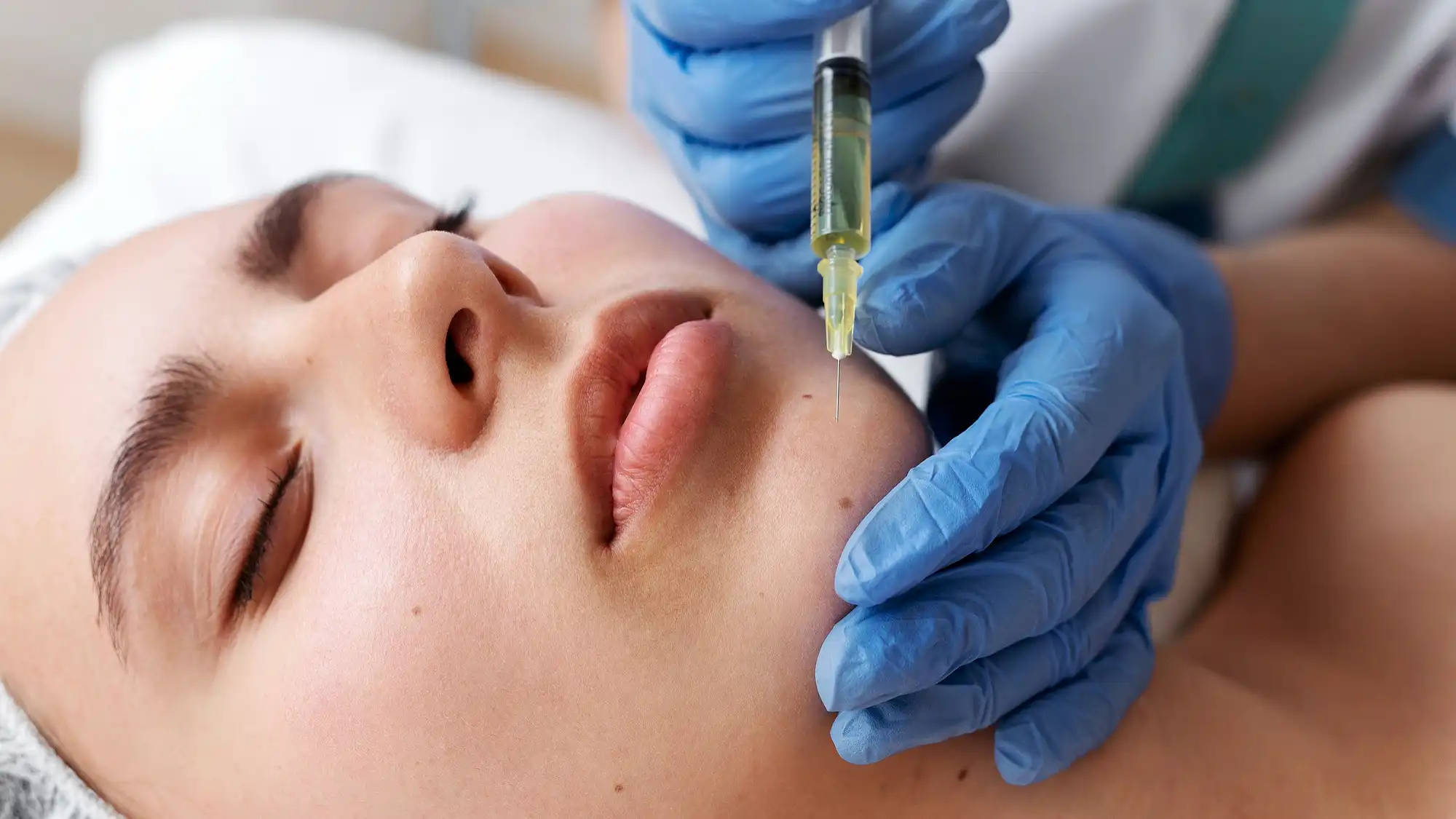
What are polynucleotides, in simple terms, are purified fragments of DNA, most commonly derived from salmon, that are injected into the skin to trigger natural repair processes. What are polynucleotide injections and what polynucleotides do comes down to the same mechanism: once injected into the dermis, they form a hydrophilic, scaffold-like matrix that supports tissue remodelling and hydration, while directly activating fibroblasts, the cells responsible for producing collagen and elastin. Rather than sitting passively in the skin the way a filler does, they prompt your own cells to rebuild themselves, which is why results tend to build gradually rather than appear overnight.
This is where polynucleotide skin booster treatment can genuinely change how your skin looks and feels over time. Because the effect builds through regeneration rather than adding volume, skin tends to look like a healthier, more rested version of itself rather than visibly “treated.” Polynucleotide benefits include:
Many women find these improvements more noticeable than a single dramatic change, since the skin genuinely looks and behaves differently rather than just appearing temporarily plumped.
Polynucleotides under eyes is one of the most requested uses of this treatment, and for good reason. The skin under the eyes is thin, prone to dehydration, and shows early signs of ageing faster than almost anywhere else on the face. What does polynucleotide do for under eyes specifically is improve hydration and skin quality in an area where fillers can sometimes look heavy or unnatural, softening the appearance of fine lines and improving texture without adding volume that changes the shape of the area. For dark circles caused by thin, dehydrated skin rather than pigmentation, many women notice a genuine improvement in how tired or hollow the area looks over a course of treatment.
Polynucleotide face treatment addresses overall skin quality, hydration and firmness across the cheeks, forehead and jawline, working best for women noticing early laxity, dullness or textural changes rather than significant volume loss. It’s a good option for skin that looks tired or uneven rather than skin that needs structural correction.
Polynucleotide neck treatment is increasingly popular, since the neck often shows ageing earlier than the face but is treated far less often. The skin here is thinner and has fewer oil glands, so it benefits particularly from the hydration and collagen-stimulating effects of polynucleotides, and many women find it addresses crepiness and dullness that skincare alone hasn’t managed to improve.
Polynucleotide microneedling is something we often discuss for women wanting a more comprehensive approach. Microneedling creates controlled micro-channels that can improve how effectively the polynucleotide solution is absorbed into the deeper layers of skin, and the two treatments work through complementary mechanisms, one mechanical, one biochemical, rather than competing with each other. Combining them isn’t necessary for everyone, but it’s worth discussing if you want a more intensive approach to texture and scarring.
Are polynucleotides worth it depends on what you’re looking for. If you want a dramatic, fast change, this isn’t it, and being honest about that matters more than overselling it. It’s worth understanding how this compares to polynucleotide vs Profhilo specifically, since they’re often confused. Profhilo works through hyaluronic acid to hydrate and remodel skin quickly, often visible within days, but effects tend to last around six to nine months. Polynucleotides work by stimulating genuine cellular regeneration, taking longer to show results, but effects often last eight to twelve months. Profhilo suits a quick glow before an event. Polynucleotides suit skin that needs deeper, longer-term repair, and many women find the investment worthwhile precisely because the results build and last rather than fading quickly.
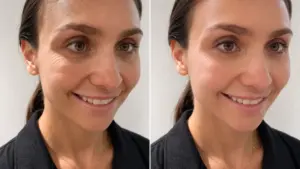
Polynucleotides before and after isn’t about a single dramatic transformation photo. The realistic picture is skin that gradually looks more hydrated, smoother in texture, and firmer over the weeks following each session, with cumulative improvement across a course of treatments rather than one visible jump. It’s worth setting that expectation clearly from the start, since the value of this treatment is in the process, not a single before-and-after moment.
Polynucleotide how long to see results varies by individual, but most women begin noticing improved hydration and texture within two to three weeks of their first session. Deeper regenerative effects, including firmness and reduced fine lines, typically develop over six to eight weeks as collagen production increases, since fibroblasts take time to activate fully rather than responding instantly to a single treatment.
Polynucleotide how many treatments you’ll need depends on your skin’s starting condition and your goals, but a course of two to three sessions, spaced two to four weeks apart, is typical for meaningful results. Maintenance treatments every six to nine months help sustain the improvement once you’ve completed the initial course, particularly for areas like the under-eyes and neck that show ageing earlier.
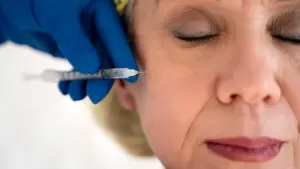
Polynucleotide immediately after treatment, you may notice small bumps at the injection sites, along with mild redness or swelling. This is a normal part of the treatment settling into the skin rather than a sign anything has gone wrong, and most people return to their normal routine the same day. Makeup can usually be applied a few hours later once any immediate redness has settled.
Polynucleotide downtime is genuinely minimal for most people. Any redness, swelling or small bumps typically settle within twenty-four to forty-eight hours. Polynucleotides have a long safety record in aesthetic medicine, with decades of research and well over a million documented treatments, giving one of the stronger safety profiles among injectable options.
That said, they aren’t suitable for everyone. It’s worth discussing the following openly during your consultation:
A proper medical consultation before treatment is what makes this safe, not just the product itself.
If you’re looking for polynucleotide London treatment from a doctor-led practice rather than a beauty salon, that’s exactly what a consultation here offers. We assess your skin, your goals and your medical history before recommending any treatment, and talk you through realistic expectations rather than overselling results.
You can read more about the treatment on our Polynucleotide Skin Boosters page, explore our wider Skin Rejuvenation options, check current pricing on our Fees page, or Book An Appointment directly.
Dr Raquel Delgado has over 20 years of clinical experience as a GP, with a particular focus on doctor-led, natural-looking aesthetic treatments for women, consulting in both English and Spanish.
This guide is general information and isn’t a substitute for a proper consultation, particularly given the medical history considerations involved in any injectable treatment.
WhatsApp: +44 7879710046
Email: dr@drraqueldelgado.com
Contact Us
Opening Hours: Mon – Fri, 9.30am – 8pm
Saturday: Online AM appointments only
Most people find the treatment very tolerable, describing it as mild discomfort rather than significant pain, particularly since a numbing cream can be applied beforehand for sensitive areas like under the eyes.
Not entirely, and it’s worth being honest about that. Polynucleotides improve skin quality, hydration and firmness, and can soften the appearance of fine lines as collagen production increases, but they aren’t designed to eliminate deeper, established wrinkles the way a filler or more targeted treatment might.
Polynucleotides are technically a type of skin booster, but they work differently to hyaluronic acid-based options like Profhilo. Polynucleotides focus on cellular regeneration through DNA fragments, while traditional skin boosters work primarily through hydration.
Yes, for most people, with a long research history and a strong safety record when performed by a trained medical professional. Certain contraindications apply, including fish allergy, pregnancy and breastfeeding, which is exactly why a proper medical consultation matters before treatment.
Pricing depends on the number of areas treated and whether you book a course. Full current pricing is available on our Fees page, and a discount applies when booking a course of three sessions in advance.
If any of this sounds like what you’re looking for, Contact Us and we’ll help you arrange a consultation to discuss whether polynucleotide skin boosters are right for you.
Webdesign by EyeMedia Creative