
Last Updated: September 23rd, 2026
Reading Time: 7 mins
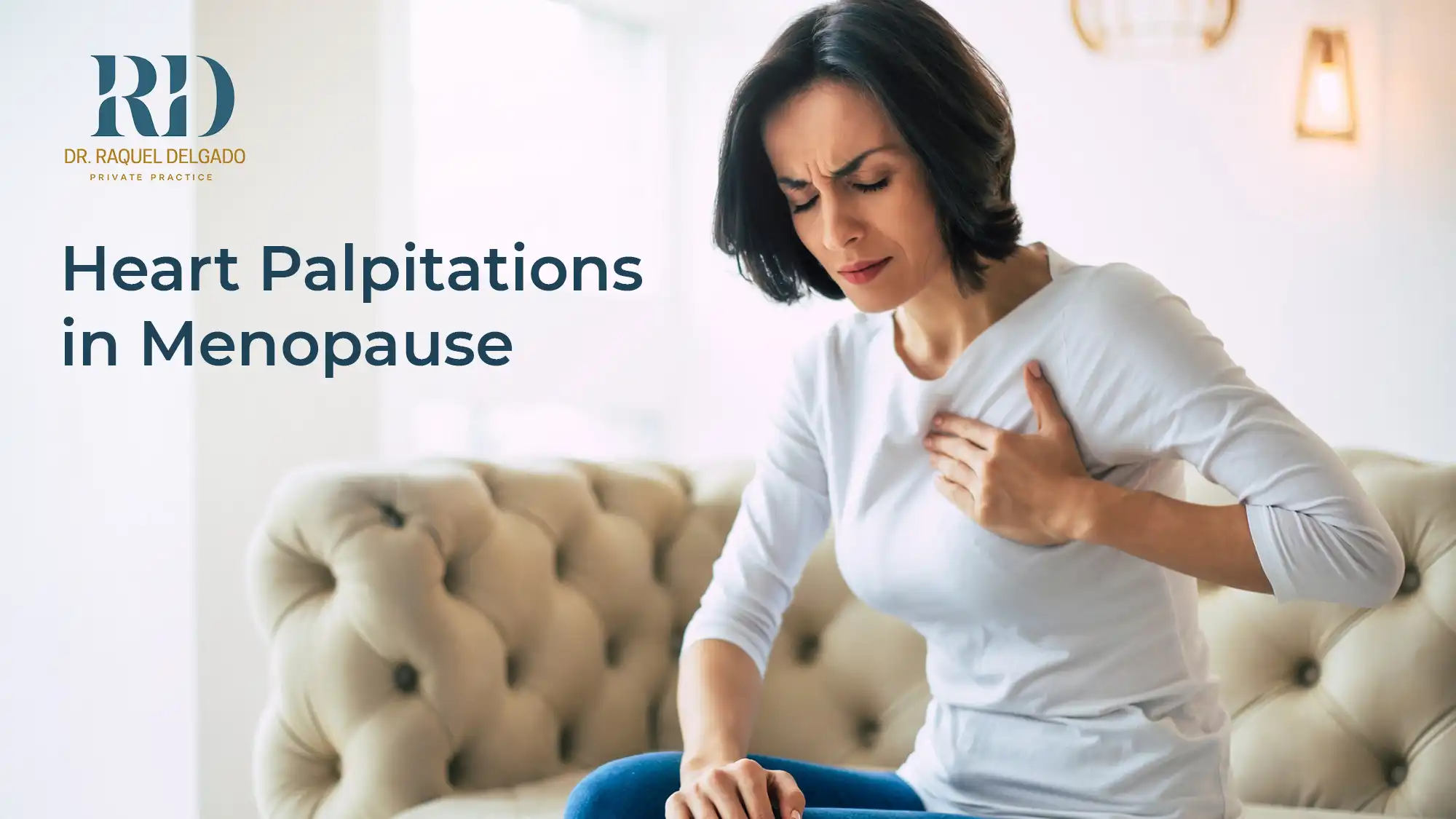
Heart palpitations in menopause are usually harmless, driven by falling hormone levels rather than a heart problem, but not always, and knowing the difference matters. Most women who notice their heart racing, pounding, or fluttering during this life stage are experiencing a genuine, well-documented hormonal effect. A smaller number are experiencing something that genuinely needs checking.
This guide walks through why palpitations happen during menopause, what actually separates a harmless sensation from something worth investigating, and what helps either way.
Heart palpitations during menopause come down to two hormones changing at once, not just one. Oestrogen and progesterone both fall as you move through perimenopause and menopause, and each affects your heart rhythm through a different pathway.
What causes heart palpitations in menopause starts with oestrogen. It plays a direct role in your heart’s electrical conduction system and in the autonomic nervous system that controls your heart rate. As oestrogen levels fall and fluctuate, particularly during a hot flush, your heart can be overstimulated enough to beat eight to sixteen extra times a minute. That sudden jump is usually what people describe as their heart “taking off” out of nowhere.
Heart palpitations caused by menopause are rarely down to oestrogen alone. Progesterone normally has a calming effect on your body, and as it declines too, that calming influence weakens. The result is a two-part effect, your heart genuinely does beat differently, and you also become more aware of every beat because your baseline anxiety has crept up. Each factor makes the other feel more intense, which is part of why palpitations at this stage can feel more alarming than they actually are.
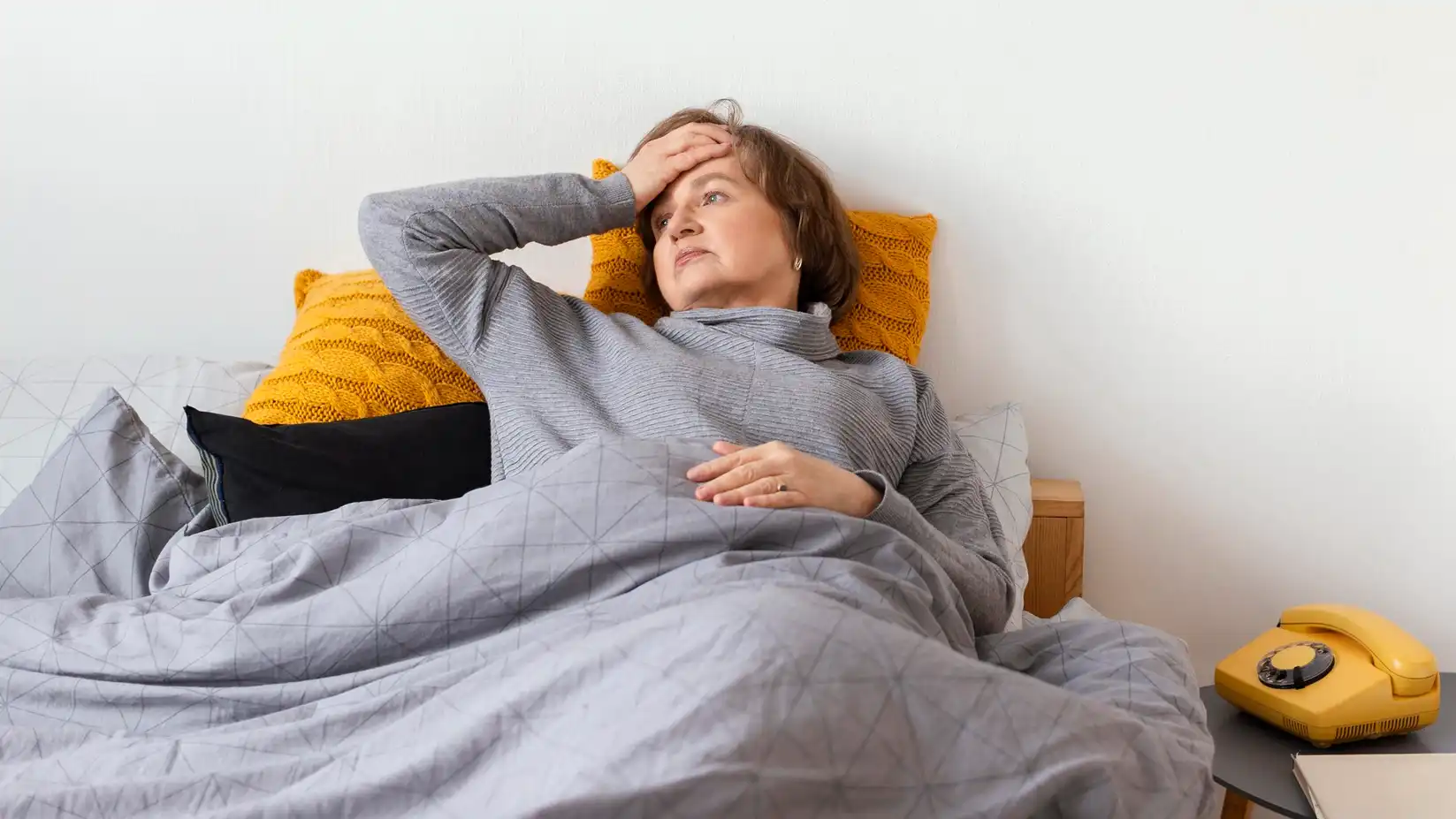
Heart palpitations menopause symptoms show up in a few recognisable ways:
That last pattern, palpitations clustering with hot flushes specifically, is one of the more useful clues that what you’re feeling is hormonally driven rather than something else entirely.
Heart racing in menopause has a fairly distinct pattern once you know to look for it, coming in short bursts, often tied to a hot flush, and settling on its own within a few minutes. Heart racing from anxiety alone can feel almost identical, which is exactly why the two get confused so often, but anxiety-driven racing tends to build gradually with a specific trigger rather than arriving suddenly out of nowhere. Neither pattern is dangerous on its own, but telling them apart helps you understand what’s actually going on rather than just feeling unsettled by it.
Can menopause cause rapid heartbeat that feels genuinely fast rather than just noticeable? Yes, the same oestrogen-driven overstimulation described above can push your heart rate up meaningfully during a surge, not just make you more aware of a normal rhythm. This is usually brief and resolves on its own, but if a fast heart rate is sustained, over 100 beats a minute for an extended period rather than a short burst, that’s worth getting checked rather than assumed to be hormonal.
Irregular heartbeat in menopause is where an honest distinction really matters, because “palpitations,” “ectopic beats,” and “arrhythmia” aren’t interchangeable terms, even though they get used that way casually.
A palpitation is simply the sensation of your heart beating in a way you can feel, uncomfortable or unusual, but not necessarily abnormal. An ectopic beat is a genuine extra or skipped beat, and these are common and usually harmless, most people have them without ever noticing. Arrhythmia is different again, a true, sustained disruption to your heart’s rhythm, and atrial fibrillation is the most well-known example. Postmenopausal women do carry a genuinely increased risk of atrial fibrillation as oestrogen declines, which is a real finding worth knowing rather than glossing over.
This doesn’t mean every irregular-feeling heartbeat during menopause is atrial fibrillation, most aren’t. But it does mean an irregular heartbeat that keeps coming back, lasts more than a few minutes, or happens alongside a personal or family history of heart problems deserves a proper assessment rather than being assumed to be a normal part of menopause. An ECG, a simple test using small pads on your skin to record your heart’s electrical activity, is usually how this gets confirmed one way or the other.
Are heart palpitations common in menopause, or is experiencing them unusual? They’re genuinely common, research suggests up to around 40% of women in perimenopause and over half of postmenopausal women experience them at some point. If you’re dealing with this, you’re not an outlier, and that alone is worth knowing before anything else.
What helps menopause heart palpitations depends on what’s triggering them, but a few approaches make a genuine difference for most women:
HRT isn’t a dedicated treatment for palpitations specifically, but when they’re clustering alongside other vasomotor symptoms like hot flushes and night sweats, it’s a reasonable option to discuss, since addressing the underlying hormonal shift can ease all of these symptoms together rather than just one in isolation. It isn’t guaranteed to resolve palpitations on its own, and whether it’s right for you depends on your wider health picture.
Heart palpitations menopause magnesium questions come up a lot, and the honest answer is more nuanced than most advice suggests. There’s real evidence that magnesium can reduce certain types of arrhythmia, but that evidence is strongest specifically when someone has an actual magnesium deficiency. If your magnesium levels are already normal, supplementing further is less likely to meaningfully change your symptoms. Rather than starting magnesium blind, checking your levels first is the more useful step, so any decision to supplement is based on what your body actually needs.
Do heart palpitations go away after menopause completely, once your hormone levels settle? For many women, yes, the frequency drops off noticeably once hormone levels stabilise in the years following menopause. That said, palpitations don’t necessarily vanish entirely for everyone, and continuing to notice them occasionally doesn’t automatically mean something’s wrong.
Heart palpitations after menopause, once you’re fully through the transition rather than still fluctuating through it, are worth paying slightly closer attention to. This is partly because the increased atrial fibrillation risk mentioned earlier applies specifically to the postmenopausal years, so persistent or new palpitations at this stage are a genuinely reasonable prompt to get your heart properly checked rather than automatically attributed to hormones.
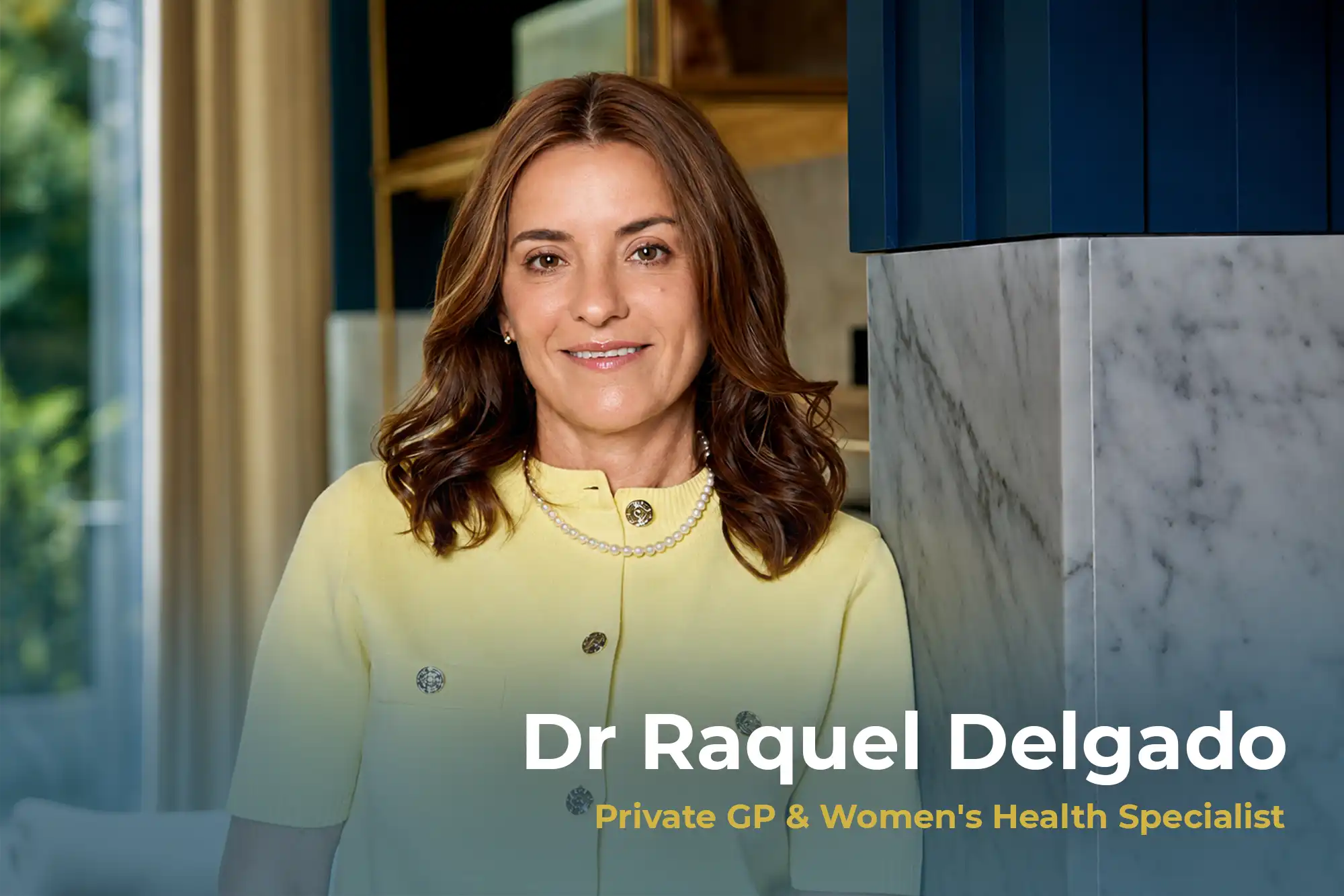
Dr Raquel Delgado is a private GP in London with more than 20 years of clinical experience in general practice, women’s health, and hormonal care. She has a particular focus on doctor-led, natural-looking aesthetic treatments for women, and consults in both English and Spanish. Every consultation is with Dr Delgado personally, giving you the same clinician’s judgement and continuity of care each time.
If your heart palpitations are new, persistent, or making you anxious, that’s worth a proper assessment rather than sitting with the uncertainty. In Dr Raquel Delgado‘s experience, most women feel considerably more settled once they actually understand what’s driving their symptoms, whether that’s confirming it’s hormonal or ruling out something else entirely.
You can read more about our approach on our Women’s Health page, our GP services more broadly, or on our homepage for a wider view of the practice. If thyroid problems are also on your mind, since an overactive thyroid is one of the other genuine causes of palpitations, our guide on thyroid gland problems in women covers that in more depth. Our Wellness Library and Resources sections also have further reading if you’d like to explore the broader hormonal picture in your own time. To arrange a consultation, contact us directly or reach out using the details below:
If your palpitations come with chest pain, breathlessness, or fainting, that needs emergency attention immediately rather than waiting for an appointment. If they keep recurring, last several minutes, or you have a personal or family history of heart problems, that needs prompt attention with us rather than a routine, wait-and-see approach.
Usually not, most palpitations during menopause are a harmless hormonal effect. You should seek urgent help if palpitations come with chest pain, breathlessness, or fainting, and see us promptly if they keep recurring, last more than a few minutes, or you have a personal or family history of heart problems.
A palpitation is the sensation of feeling your heartbeat, which isn’t necessarily abnormal. An irregular heartbeat, or arrhythmia, is a genuine disruption to your heart’s rhythm, and while most palpitations aren’t arrhythmia, a persistent irregular feeling is worth having properly checked.
Yes, since falling progesterone already reduces your body’s natural calming response, added stress compounds that effect and can make palpitations feel more frequent and more intense than the hormonal shift alone would cause.
No, but it’s genuinely common, affecting up to around 40% of women in perimenopause and more than half of postmenopausal women. Not experiencing them at all is also entirely normal.
This article is for general information and does not replace a personal consultation. If you have concerns about heart palpitations, please get in touch with us promptly, and seek emergency care if they come with chest pain, breathlessness, or fainting.
Webdesign by EyeMedia Creative