
Last Updated: October 26th, 2026
Reading Time: 11 mins
The signs of perimenopause usually begin with changes to your periods: cycles that run shorter, longer or heavier than before, often alongside broken sleep, hot flushes and mood shifts. The same signs can also come from an underactive thyroid, low iron or long-term stress, so a pattern on its own does not confirm anything. This guide sets out the perimenopause signs we see most often, how they differ at 40 and beyond, what points to something else, and how you can tell when the transition is winding down.
Key takeaways
Perimenopause is the stage before menopause, when your ovaries stop working to a steady rhythm. Hormone levels do not simply fall. They rise and dip unpredictably, sometimes within the same week, and that unevenness drives most of what you notice. For most women the transition starts in the 40s, and symptoms usually last around 7 to 9 years, sometimes longer.
So what are the signs of perimenopause? They tend to fall into five groups:
Period changes are the earliest and most reliable clue. Picture a woman whose cycle has run like clockwork at 28 days for twenty years. Then one month it is 24 days, the next it is 41, and the one after arrives with clots she has never had before. Nothing else has changed in her life, which is what makes the pattern meaningful.
Hot flushes are not required. Many women have none in the early years and are caught off guard when they are told their symptoms are hormonal. A cycle that has lost its rhythm, together with a few of the other groups above, is usually enough to raise the question.
The table below translates the common signs of perimenopause and symptoms into what you might actually feel, and why each happens.
| Sign | What it can feel like | Why it happens |
| Irregular cycles | Periods arrive early, late or not at all | Ovulation becomes unpredictable |
| Heavier bleeding | Flooding, clots, changing protection every hour or two | The womb lining can build up more between ovulations |
| Hot flushes and night sweats | A wave of heat, damp sheets, waking cold | Falling and fluctuating oestrogen affects temperature control |
| Poor sleep | Waking at 3am, light sleep, tiredness by midday | Hormone shifts, night sweats and a more sensitive stress response |
| Mood changes | Short fuse, tearfulness, new anxiety | Hormone swings affect brain chemistry |
| Brain fog | Losing words, mislaid keys, trouble concentrating | Linked to oestrogen changes and broken sleep |
| Vaginal dryness | Soreness, itching, discomfort during sex | Oestrogen supports the tissue lining of the vagina |
Some signs do not look hormonal at first, so they are easy to put down to age, stress or a busy life. The signs of perimenopause symptoms that women tend to overlook include:
Breast tenderness can follow the uneven hormone swings of this stage. Our post on sore breasts explains what is typical and which changes need examining. Memory slips and a fuzzy head are covered in our piece on brain fog.
The point to hold onto is the cluster. One joint ache means little. Joint aches, poor sleep, a shorter cycle and a new short temper arriving together in your 40s tell a clearer story.
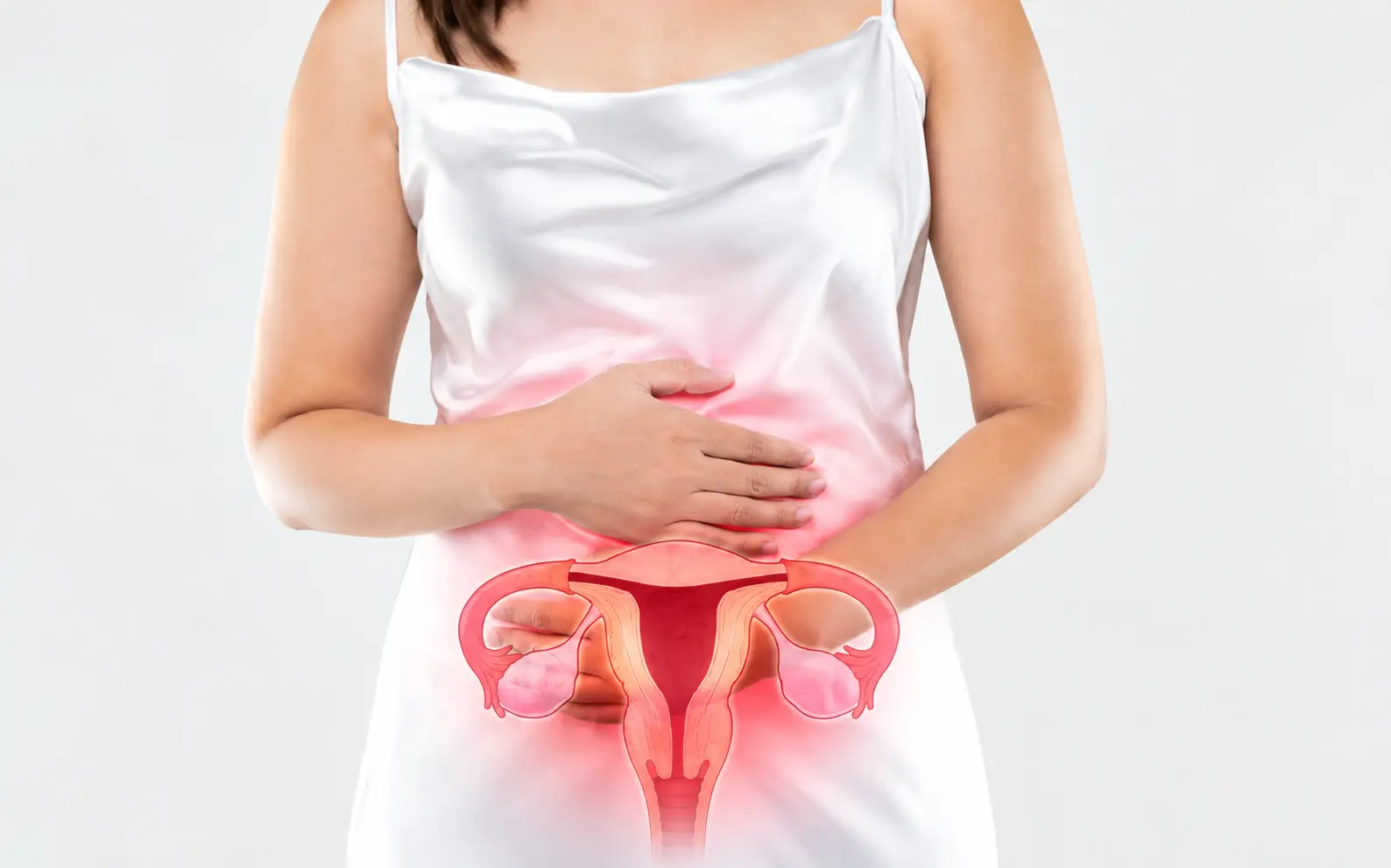
The first signs are usually a change in your cycle length and a drop in sleep quality. Premenstrual symptoms that were mild for years may also become sharper. Hot flushes tend to come later for most women, although a few have them early.
In the earliest stage the changes are small, and many women do not link them. Early perimenopause signs can include:
A common reason for this early drift is that some cycles stop releasing an egg, which changes how much progesterone your body makes. Our post on anovulatory cycles explains how that shows up in your period.
The early signs of perimenopause are not always physical. Some women notice a new edge of anxiety, a sense of being overwhelmed by tasks that used to feel routine, or tears that arrive without a clear reason. Others get palpitations at night and worry about their heart.
None of these prove perimenopause by themselves, and any of them can have other causes. A heart that races is worth having checked, and low mood that lingers should always be taken seriously, not explained away as “just hormones”. If you are unsure, tell us what you are noticing and we will look at the whole picture with you.
Perimenopause is not rare in the early 40s, although it more often begins in the mid 40s. The signs of perimenopause at 40 look the same as at any age, but the way we approach them depends on how old you are.
If you are in your late 30s or early 40s and your periods have changed, do not wait for hot flushes before asking. Early assessment rules out other causes, and when it is hormonal, an earlier answer opens more options. If periods have stopped altogether before 40, please get in touch promptly, because bone and heart health benefit from timely care.
This is the question the title asks, and it matters, because several conditions mimic perimenopause. Treating the wrong thing wastes months. The table shows common look-alikes and how we tell them apart.
| Sign | Perimenopause pattern | Something else to rule out | How we check |
| Tiredness | Poor sleep plus night sweats | Low iron, underactive thyroid | Blood tests |
| Weight gain and feeling cold | Shift around the middle with other symptoms | Underactive thyroid | Thyroid blood test |
| Racing heart and sweats | Comes with cycle changes | Overactive thyroid, anxiety | Examination, thyroid test |
| Low mood and irritability | Worse in the days before a period | Depression, burnout | History and mood screening |
| Missed periods | Irregular, then longer gaps | Pregnancy, polycystic ovary syndrome | Pregnancy test, history |
| Heavy bleeding | Runs with changing cycles | Fibroids, polyps, thyroid problems | Blood count, scan by referral |
Heavy bleeding deserves its own mention. Fibroids, polyps and thyroid problems can all cause it, and they can sit alongside perimenopause at the same time. If bleeding is heavy, long or arrives between periods, we do not assume it is the change. Our post on bleeding between periods explains the patterns that need checking.
Sleep problems deserve the same care. Broken sleep can come from perimenopause, but also from sleep apnoea, pain, anxiety or a late-night routine. If you snore loudly or wake gasping, tell us, because that points away from hormones and towards a different test.
Medicines and hormonal contraception can also blur the picture. A coil or contraceptive pill can lighten or stop bleeding, which hides the cycle changes that usually give perimenopause away. If you use one, tell us at the start.
Usually not. The NICE guideline on menopause says that in otherwise healthy women over 45, perimenopause can be diagnosed from symptoms, without laboratory tests. That surprises many women who expect a blood test to give a clear yes or no.
There is a good reason for it. Hormone levels in perimenopause jump around, so a result taken on one day may look normal and a result a week later may not. A normal result does not rule perimenopause out, and the result rarely changes what we do.
Blood tests still have a role. We use them to look for other explanations for your symptoms, such as anaemia or a thyroid problem, and to assess women under 45, where hormone testing can help. If you are curious whether a test would help you, we can talk through it at your appointment.
Women often ask when it will end, and how they will know. The honest answer is that the end of perimenopause does not announce itself. There is no single moment, and the clearest marker is only visible looking back.
The end of the transition tends to show in a few ways:
Not everyone follows this script. Some women have a final period with little warning, and others have bleeding that returns after a long gap. Symptoms such as vaginal dryness and urinary changes can continue, or begin, after the transition because oestrogen stays low.
Menopause itself is confirmed after 12 months in a row without a period, if you are not on hormonal contraception that masks your cycle. Until you reach that point, you are still in perimenopause and pregnancy remains possible, so it is sensible to talk through contraception with us.
Once you pass the 12 month mark, any bleeding at all needs checking promptly, even a single episode of light spotting. It is rarely serious, but it should never be assumed harmless without an examination.
Most perimenopause signs are uncomfortable but not urgent. A few patterns need attention without delay:
If any of these apply, contact us straight away so we can arrange to see you quickly. Our private GP appointments include same-day or next available slots.
We start by listening. We ask how your cycle has changed, when it began, what your sleep and mood have been like, and whether anything else in your life has shifted. Dr Raquel Delgado takes the time to build the whole picture because perimenopause signs rarely arrive one at a time, and the order they appeared in usually tells us as much as the list.
From there the next step depends on your age and what you describe. That may mean blood tests for iron and thyroid function, an examination, or a scan arranged through onward referral if bleeding is the concern. Once we know what is going on, we explain the options for easing symptoms and help you choose what suits your health and preferences. Our women’s health page sets out how we support women through the transition.
A simple diary makes the appointment far more useful. For two or three months, note when each period starts and stops, how heavy it is, and any hot flushes, sleep disruption or mood changes. Bring it with you, because a pattern on paper is clearer than memory. Our Consultation Toolkit has short guides on what to bring and what to ask, and our Wellness Library has free resources on sleep and everyday wellbeing.
Many of the signs of perimenopause UK women report most often are the ones that get brushed off: tiredness, short temper, a cycle that has changed. If any of that sounds familiar, you do not have to wait for it to become severe before you ask.
The earliest signs are usually a change in cycle length, such as periods coming a few days earlier or later, along with lighter sleep and sharper premenstrual symptoms. Hot flushes usually appear later. Many women notice the cycle change first but do not connect it with hormones.
A cluster of changes, such as cycle changes, poor sleep and mood shifts appearing together, points towards perimenopause. Tiredness, weight changes and a racing heart can also come from thyroid problems or low iron, so a blood test and examination are the reliable way to separate them.
Yes. It more often starts in the mid 40s, but starting at 40 or a little earlier is possible. If your periods have changed before 40, we check for other causes, including premature ovarian insufficiency.
Symptoms usually last around 7 to 9 years, sometimes longer, and they change over that time. The gaps between periods tend to lengthen towards the end, and menopause is confirmed after 12 months without a period.
Not usually. Over 45, perimenopause can be recognised from your symptoms and cycle pattern. Blood tests are used to look for other causes, and they have more of a role for women under 45.
Yes. While you are still having periods, ovulation can still happen, even when cycles are irregular. If you do not want to become pregnant, talk to us about contraception that suits you.
This article is general information and not a substitute for a personal consultation. If you are worried about changes to your periods or other symptoms, please speak with us.
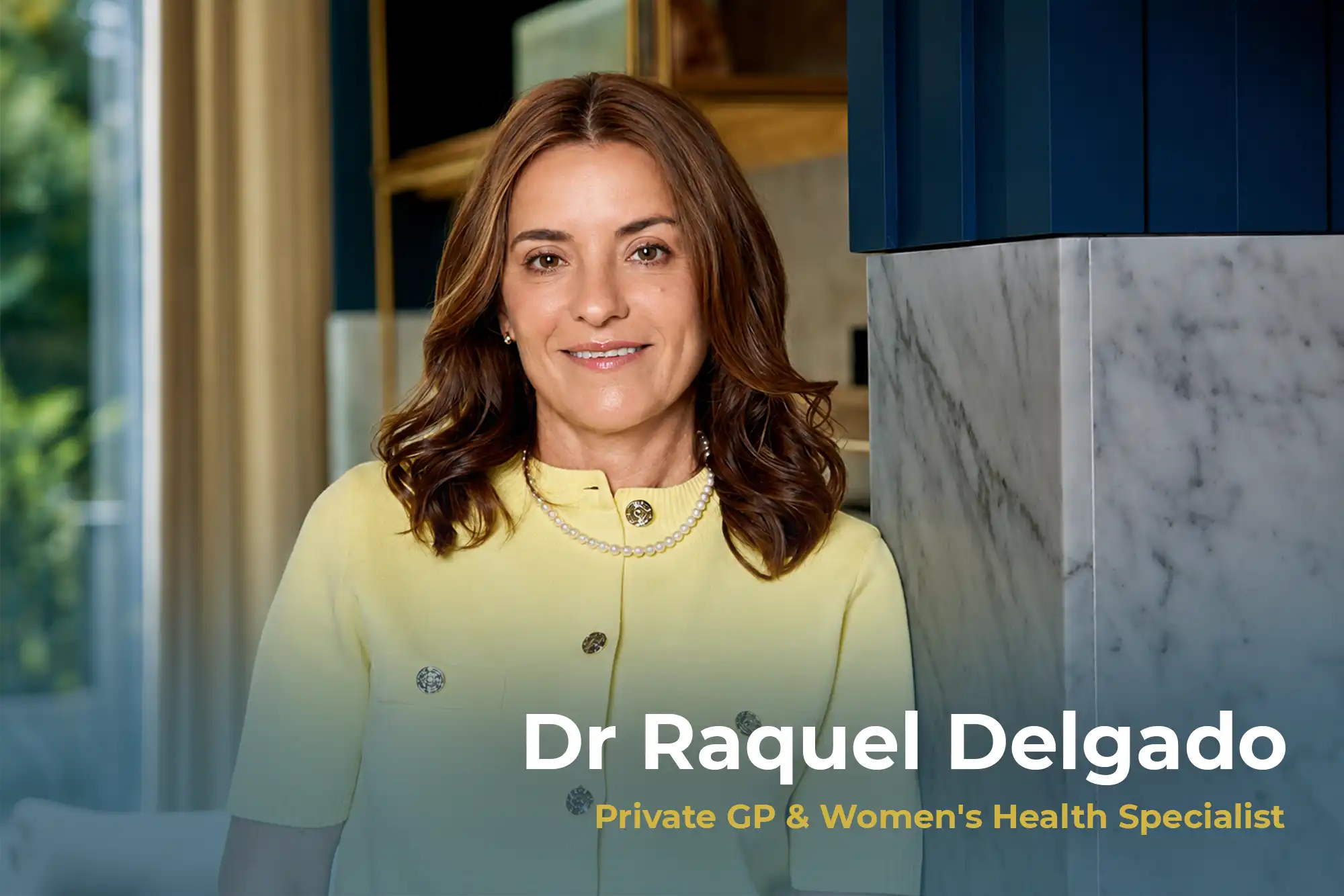
Dr Raquel Delgado is a private GP in London with more than 20 years of clinical experience in general practice, women’s health, and hormonal care. She has a particular focus on doctor-led, natural-looking aesthetic treatments for women, and consults in both English and Spanish. Every consultation is with Dr Delgado personally, giving you the same clinician’s judgement and continuity of care each time.
We see women with changing cycles and unexplained symptoms regularly, and we start by finding the cause instead of guessing. That can mean blood tests, an examination, and onward referral where it is needed. You can read about our approach at our practice and see the consultation fees in advance. To arrange a consultation, contact us or reach out using the details below.
If bleeding is very heavy or you feel faint, contact us straight away so we can arrange to see you quickly.
Webdesign by EyeMedia Creative